Free Download Mac Os X 10.6.6
Mac Bone Ten 10.vi Snow Leopard was billed as primarily under-the-hood changes toOS Ten 10.v Leopard, just it was much more than pregnant than that.
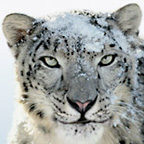
For the first fourth dimension since Mac OS eight.5 was released in Oct 1998, Apple left behind an unabridged processor compages. In 1998, it left backside Motorola 680×0 CPUs in favor of PowerPC (the first PPC Macs hawered been introduced in March 1994). With OS X x.6, Apple left behind PowerPC CPUs in favor of Intel (the first Intel Macs were introduced in Jan 2006).
Snow Leopard is non impacted past the "goto fail" problems discovered in early 2014.
Big Changes with ten.6
- Snow Leopard is smaller than Leopard. Past removing PowerPC and other unnecessary legacy lawmaking, Apple profoundly reduced the drive space needed past the operating organization. It takes upward near half as much space and thus will install about twice as speedily as Leopard. That said, information technology makes more demands of your hardware, so a Mac that runs Leopard comfortably with i GB of retention may experience very sluggish with Snow Leopard once y'all have more than than a couple apps running. Nosotros strongly recommend at least 2 GB of memory.
-
Grand Key Dispatch (GCD) means that the entire operating system is designed to take advantage of multiple cores, whether on i chip or more than i. Procedure threads, which were handled by apps in the past, are at present handled past the OS with new programs designed to utilise GCD. GCD will assign simply as many threads to an app as it currently needs, which makes for better use of resources.
-
Full 64-bit back up means programs will no longer be limited to 4 GB of RAM; the new maximum (sixteen exabytes) is meaningless, as no computer in the forseeable future volition be able to concur billions of gigabytes of retentivity. Both the Bone and almost all "organization applications" (Finder, Safari, Mail, iChat, iCal, etc.) are set up for 64-fleck operation. And Snowfall Leopard is completely backwards-compatible with 32-bit apps. First generation Intel Macs designed around Intel Core Solo and Cadre Duo chips do non back up 64-flake operation; all Macs since then do.
-
OpenCL takes advantage of powerful modern graphic processing units (GPUs, a.thou.a. "video cards") for more than than displaying video. All of that processing power will also exist bachelor for general purpose computing.
- QuickTime Ten introduced a new QuickTime thespian and will take total reward of Core Audio, Core Video, and Core Animation. It tin can record sound and video using your Mac'southward congenital-in microphone and webcam, and it can trim and consign for iPod, iPhone, Apple Television receiver, YouTube, and MobileMe then you don't need to worry well-nigh which codec to use. QuickTime 10 supports HTTP live streaming, which tin can adjust quality on the wing based on available network bandwidth. Of course it takes advantage of GCD and 64-bit functioning.
- Exchange Support is built right into the Os. Mail service, iCal, and Address Book volition work with Microsoft Exchange Server 2007. This may explain why Microsoft finally brought Outlook to the Mac with Part 2010. And so long, Outlook.
- The Finder has been completely rewritten to support 64-bit functioning and have advantage of One thousand Central Dispatch. This makes the Finder much more responsive.
- For the first fourth dimension, the Services menu is contextual: Y'all will only see the services bachelor to the current app. (Until now, half or more than of the Services might be grayed out considering they don't work with your electric current program.)
- Exposé tin can work in the Dock – click and agree an application icon and information technology will brandish that app's active documents in a grid. Apple claims this will make it "even easier to find what you're looking for."
- Fourth dimension Car backups are upward to 50% faster, according to Apple. This will be especially helpful for that first, long, total backup.
- Macs shut downwards and wake upwards more apace, and joining a WiFi network is besides faster. This makes for more free energy efficient file sharing – your sleeping Mac uses less energy and wakes more quickly to serve up files.
- If y'all travel with you're Mac, you'll capeesh automatic time zone settings.
- The 'Wake on Demand' feature may proceed your Mac from staying asleep. The gear up is to reset the Free energy Saver settings to their defaults, then put in your own settings.
Things Lost with 10.6
- There is no support for LocalTalk/AppleTalk in Snowfall Leopard. Yous'll need to find another way to connect those old printers.
- There is no longer any support for Palm Os devices in iSync. The Missing Sync (commercial software) does support Palm devices.
- Snow Leopard ignores creator codes when launching documents, somethingevery Mac Os prior to 10.6 has supported – it's been part of the Mac OS since the offset.
- There is no write support for HFS+ volumes (floppies, difficult drives, etc.)
Snow Leopard was replaced withOs Ten x.vii Lion on July 20, 2011 afterward just xi months at the helm.
Last Supported Software
Every bit Os X has moved forward, more than and more software has dropped support for Snow Leopard.
From Apple
From Other Vendors
Minimum Hardware Requirements
- Intel-based Mac
- 1 GB of RAM, although ii GB is strongly recommended
- 5 GB of available drive infinite
- DVD-compatible optical drive
- Thou Central Acceleration requires a dual-core CPU
- 64-bit back up requires a Cadre 2 or newer CPU
- OpenCL is compatible with all current Macs. It is not compatible with:
- iMacs released before March 2009
- Mac mini released before March 2009
- MacBook released before Oct 2008
- MacBook Pro released before June 2007
- original MacBook Air
- Mac Pro released earlier January 2008 (Jan. 2008 and later models with unsupported video cards can used the discontinued GeForce 8800 upgrade kit – Apple part no. MB137Z/A – for OpenCL support. TheGeForce GT 120 retails for $149, is designed to work with the 2009 Mac Pro and has been reported to work with the 2008 model besides.)
Further Reading
- New iMacs and MacBooks shortly?, Blu-ray on Macs, looking back at Lisa and Mac Plus, and more, Mac News Review, 09.25. As well Snow Leopard sales information, using FreeHand and AppleWorks with Snow Leopard, affordable Pentax K-x DSLR fifty-fifty comes in red, and more.
- Inexpensive USB 2 CardBus solution, Bone 9 and Kanga, mobile Mac value, and more than, Charles W Moore, Miscellaneous Ramblings, 2009.09.09. As well a look at several options for using an old LocalTalk printer with a Mac running Mac Os X x.6 Snow Leopard.
- 100 apps incompatible with 'Snowfall Leopard', Mac mini and SuperDrive firmware updates, and more, Mac News Review, 2009.09.04. Likewise Baronial market share changes, retrieving a stuck disc, anti-malware in Snow Leopard, USB 3.0 certification begins, and more.
- Wake on demand in Snow Leopard, extended repair policy for MacBook Air hinges, large drives, and more, The 'Volume Review, 2009.09.04. Also Windows 7 great on a MacBook Pro, gScreen preparing dual display notebook, free Os 10 x.6 deal from QuickerTek, deal 'Books from $179 to $2,294, and more than.
Downloadable Updates
Standalone Updates let y'all update to a newer version of Mac OS X from your difficult drive instead of using Software Update, which requires an Internet connection. Download the i(southward) yous need and install them subsequently mounting the deejay image and launching the Installer program.
There are two types of Standalone Updates: Individual (or Delta) and Combo.
- Individual Updates update one version of Mac Bone X to the adjacent version. For example, the Mac OS Ten ten.vi.iv Update updates Mac OS 10 10.6.3 to version 10.6.4. Individual Updates are also known as Delta Updates.
- Philharmonic Updates update the base of operations version of a Mac OS X release to the version specified in the Combo Update, including all intermediate updates. For instance, the Mac OS 10 10.vi.4 Combo Update updates whatsoever earlier version of Mac Bone Ten 10.half dozen to Mac Os X x.six.4 using a single installer, as opposed to installing the individual Mac OS X 10.6.1, 10.6.two, 10.6.iii, and 10.6.4 updates.
Standalone Updates are generally available 24 to 48 hours after the Update is available through Software Update.
If you burn a Standalone Update to CD, its disk paradigm must be copied to your desktop or another location on your Mac Bone X startup disk in club to exist installed.
This page will exist updated equally new Standalone Updates become available.
Mac OS X ten.6.1
Mac OS 10 10.6.2
- Nigh Mac OS X 10.6.1 Update
- Mac OS X ten.half-dozen.two Update (Philharmonic)
- Mac OS X ten.6.two Delta
Mac Os 10 ten.half-dozen.three
- Near Mac Os X 10.6.3 Update
- Mac OS X 10.6.3 v1.one Update (Philharmonic)
- 10.half-dozen.3 v1.ane Delta
Mac Os Ten 10.6.four
- About Mac OS X 10.6.4 Update
- Mac OS X 10.half dozen.4 Update (Combo)
- Mac OS Ten Server 10.6.four Update (v1.1)
- Mac Bone X Server ten.6.4 Update v1.1 (Combo)
Mac Bone X 10.half dozen.5
- About Mac Os X 10.vi.five Update
- Mac OS X 10.6.5 Update (Combo)
- Mac OS X Server x.six.5 Update
- Mac Os X Server 10.6.5 Update Combo
Mac OS X 10.six.6
Version x.6.6 introduced the Mac App Store.
- About Mac OS X 10.6.6 Update
- Mac OS 10 10.6.6 Update
- Mac Os X 10.6.6 Update Combo
- Mac Os X Server 10.6.half dozen Update
Mac Bone 10 ten.vi.7
- About Mac OS X 10.vi.vii Update
- Mac OS 10 10.6.7 Update for Early 2011 MacBook Pro
- Mac OS X ten.6.seven Update
- Mac OS X 10.6.7 Update Philharmonic
- Mac Bone Ten Server x.six.7 Update
Mac OS X ten.vi.8
- About the Mac Os X 10.six.8 Update
- Mac Os X 10.6.eight Update
- Mac Bone X ten.6.viii Update Combo
- Mac OS X Server 10.6.8 Update
- Mac OS X Server 10.half dozen.8 Update Combo
Keywords: #osxsnowleopard #macosxsnowleopard #snowleopard
Short link: http://goo.gl/pPqRxm
searchword: osxsnowleopard
Free Download Mac Os X 10.6.6
Posted by: dibblewalouteemper.blogspot.com
Post a Comment